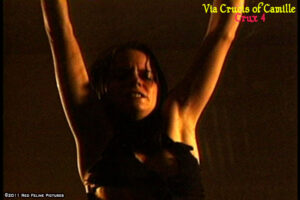
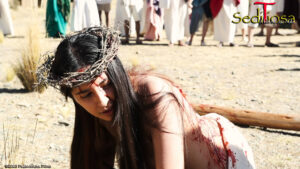
Everybody Is Doing It!
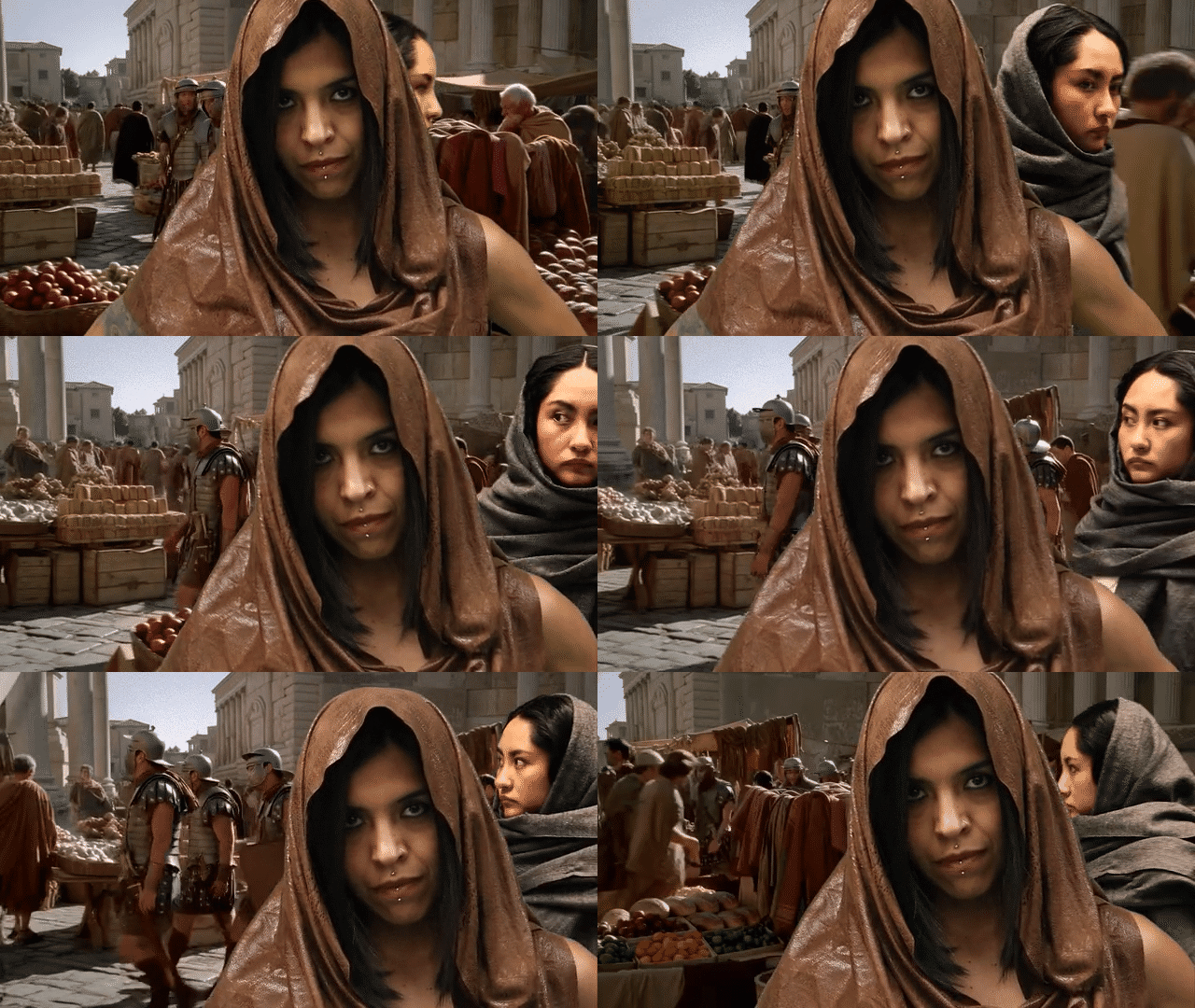
A thin statement: We could say that the death of Art is here when an application decides what to do and how to do it after getting a prompt. Very sad.
And here, the same statement but THICK:
The Question of Artistic Agency in the Age of AI or The Death of Art: When Applications Take Control
The notion that the death of Art occurs when an application determines both what actions to take and how to perform them in response to a prompt is a poignant reflection on the current state of creative practices. This perspective highlights a sense of loss, suggesting that when technology assumes the decision-making process, the essence of artistic agency and creativity is diminished. The sadness expressed emphasizes the emotional impact of witnessing this shift, where the role of the artist is overshadowed by the autonomy of applications.
Cool?
I mentioned Jac’s experience with purchasing a music app, highlighting the confusion over subscription pricing and the resulting unexpected expenses.
Jac needed access to specific music tracks, which were only available on a particular app. Driven by this necessity, he decided to subscribe to the app.
Initially, Jac believed the app would cost him approximately 20 per month. However, after subscribing, he noticed that his account was being charged over 100. The confusion stemmed from the app’s promotion: while the price of 20 per month was advertised, it was actually the rate for a yearly subscription, not a monthly one.
Jac’s story illustrates how unclear pricing details can lead to significant, unexpected expenses. The need for the app’s music tracks compelled him to accept the charges, despite the misunderstanding.
After Jac acquired all the music tracks he needed, his curiosity led him to explore the other offerings within the app. He discovered that the app included a wide range of features, one of which was a category called “text to video“. Intrigued by its potential, Jac decided to give this feature a try. He made several attempts to utilize the “text to video” tool, exploring its capabilities and seeing what it could do. So he tried… and tried… and tried…
Jac was initially impressed with the results produced by the “text to video” tool, especially when viewing individual shots. However, his experience was not without frustration, as the tool sometimes failed to deliver exactly what he envisioned. Despite these setbacks, Jac recognized the feature’s potential and saw its promise for creative applications. Ultimately, though, he concluded that the “text to video” feature fell short of his expectations and was not as effective as it could be.
Following his experiments with the feature, Jac started to encounter the unpleasant aspects of his experience with the app, marking the beginning of a more disappointing phase.
As Jac continued to use the app, he began to notice the prevalence of AI-generated images all over the place. While some of these images were visually appealing, others were less impressive. This ongoing exposure led Jac to a sudden realization about the AI’s overall quality and authenticity. Ultimately, his experience culminated in a sense of disillusionment, as he recognized that the abundance of AI-generated content detracted from the initial appeal and left him dissatisfied.
He started recognizing AI generated images all over the place, some nice, some not so nice and then came the revelation… this is shit!
He saw the ‘creative’ work in some forums where people share their fantasies. He can’t deny that in some cases the work was pretty interesting, very similar to some of the images he managed to ‘create’ with AI. His conclusion was that everybody was doing it! No merit on that, not at all, not even as creative work.
Facebook is full AI little movies, mostly of cats or dogs dancing to a Michael Jackson song, wearing a hat and all that jazz.
These AI-generated videos followed a recognizable pattern: the use of popular music, especially from Michael Jackson, combined with animated, anthropomorphic pets. The inclusion of hats and other costume elements contribute to the lighthearted and entertaining nature of the mini movies. While some viewers might find these videos amusing or visually engaging, Jac’s observations highlighted a broader shift in online content, where the authenticity and originality were increasingly overshadowed by AI-driven creations.
https://www.facebook.com/reel/1434943437885355
What if -he mulled over the endless possibilities- I take pictures of my 7 cats and my dog, and work in movies where I send them into some funny adventures? Millions… yes Millions of people will love that and maybe, just maybe, I’d make a great living with that?
Jac envisioned a series of five-minute movies centered around the adventures of his own dog and cats. These imaginative short films would capture the playful and entertaining escapades of his pets, drawing inspiration from the whimsical AI-generated content prevalent on social media. Although Jac had conceived a compelling title for this series, he choses not to disclose it at this time, believing it to be exceptionally fitting and enormously valuable.
He has great pictures and a couple of videos. Maybe he doesn’t even have to use AI… just use the professional camera and shoot the freaking 5 min movies… with a story.
Something to consider. Right?
The concept of creating five-minute movies presents a compelling opportunity to reach a vast audience and generate significant revenue. With widespread appeal, these short films could potentially attract millions of viewers, resulting in financial success that extends far beyond simply maintaining the daily needs of seven cats and one dog.
The income generated from these movies could cover a wide range of pet-related costs. This includes providing food, covering veterinary bills, compensating for the inevitable destruction of furniture, and even funding the enlargement of the house to accommodate the pets’ needs. The financial benefits would not only ensure the well-being of the cats and dog but also support improvements to their living environment.
Moreover, the surplus earnings could be allocated to other essential household expenses. This might include paying medical bills, offsetting the costs of dietary changes, ensuring food remains on the table, repairing damaged floors, and addressing various unforeseen needs that arise in a pet-friendly home. The financial possibilities presented by the success of these mini movies highlight their potential to transform everyday life and provide substantial support well beyond basic pet care.
And no costs of production!
These five-minute movies would require virtually no production costs. With just a photograph or two and an AI-generated prompt, and Voila… a movie to reach millions is made!
There was a brief period before Jac’s realization that the captivating images of cats, dogs, and attractive women circulating online were not authentic but rather creations of artificial intelligence. During this time, Jac experimented with old photographs, including one of himself at the swimming pool in the Hotel Nacional in Habana, Cuba, taken in the early to mid-1980s. The photo paints a pleasant scene: Jac appears youthful and handsome, and the two women with him are very beautiful. Yet, despite the aesthetic appeal, he sensed something was missing—a cat.
To complete the scene, Jac imagined the women tenderly kissing his cheeks as a strikingly beautiful cat leapt into the frame, capturing the attention of both the film director and his amazingly attractive company. This playful addition transformed the photograph, infusing it with the whimsical charm and unpredictability characteristic of his envisioned mini movies.
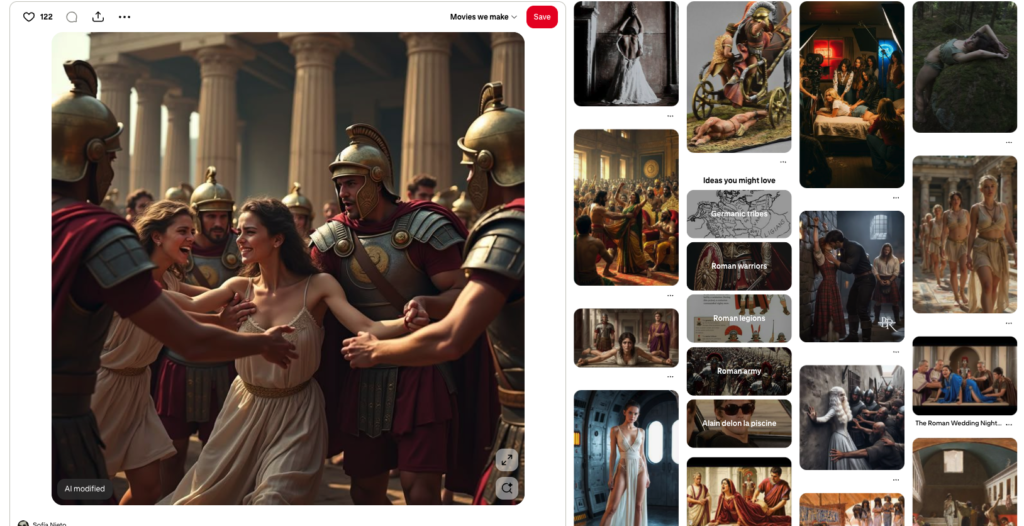
One particular site Jac visits often is Pinterest where creative people post images they created, or share images they like, old paintings, clips from movies and TV series like Xena. Over time, Jac has noticed some changes. A good number of the new images seem familiar in their texture, colors, subjects, and aesthetics. This familiarity can be attributed to the fact that these images are all AI generated.
Jac observed that the images he encountered online closely resembled those he had created using artificial intelligence. While these images were certainly not identical, they shared a distinct characteristic—a recognizable style. This underlying style became apparent to Jac as he continued to experiment with AI-generated content. The realization that so many images followed a similar aesthetic prompted Jac to pause his creative exploration with AI.
Despite the potential for countless variations in AI-generated imagery, Jac noticed that they all possessed the same overall look. This consistency in appearance further reinforced the idea of a common style present in AI creations.
Somehow you can have a million differences with AI but they have the same LOOK.
Spike Sharp petraherz said: The films generated by AI still have many flaws. There’s nothing like a real actress, even if it’s only in the studio. Her movements and grace are currently difficult to reproduce artificially. I was interested in what @Margot was saying in her thread, about using a combination of real actresses and AI, because you are right, AI has a limited repertoire. And, as Jac Avila has been finding, it can be nerve shreddingly frustrating. I’m becoming convinced that Wan got its name because there’s always wan thing wrong with every clip…
But on the whole, I think AI is fine, but it would be very sad if it meant we never see Dani or (Mila) cry on their crosses in the future.
AI offers the possibility of creating visually compelling shots in a scene. Jac experimented with this technology by generating a shot from a still in the crucifixion of Mila scene in Le Marquis de La Croix using the option Image to Video as well as a prompt.
The result was a shot that captured the essence of the moment, showcasing the creative potential of AI in a film. We made a gif of that shot:
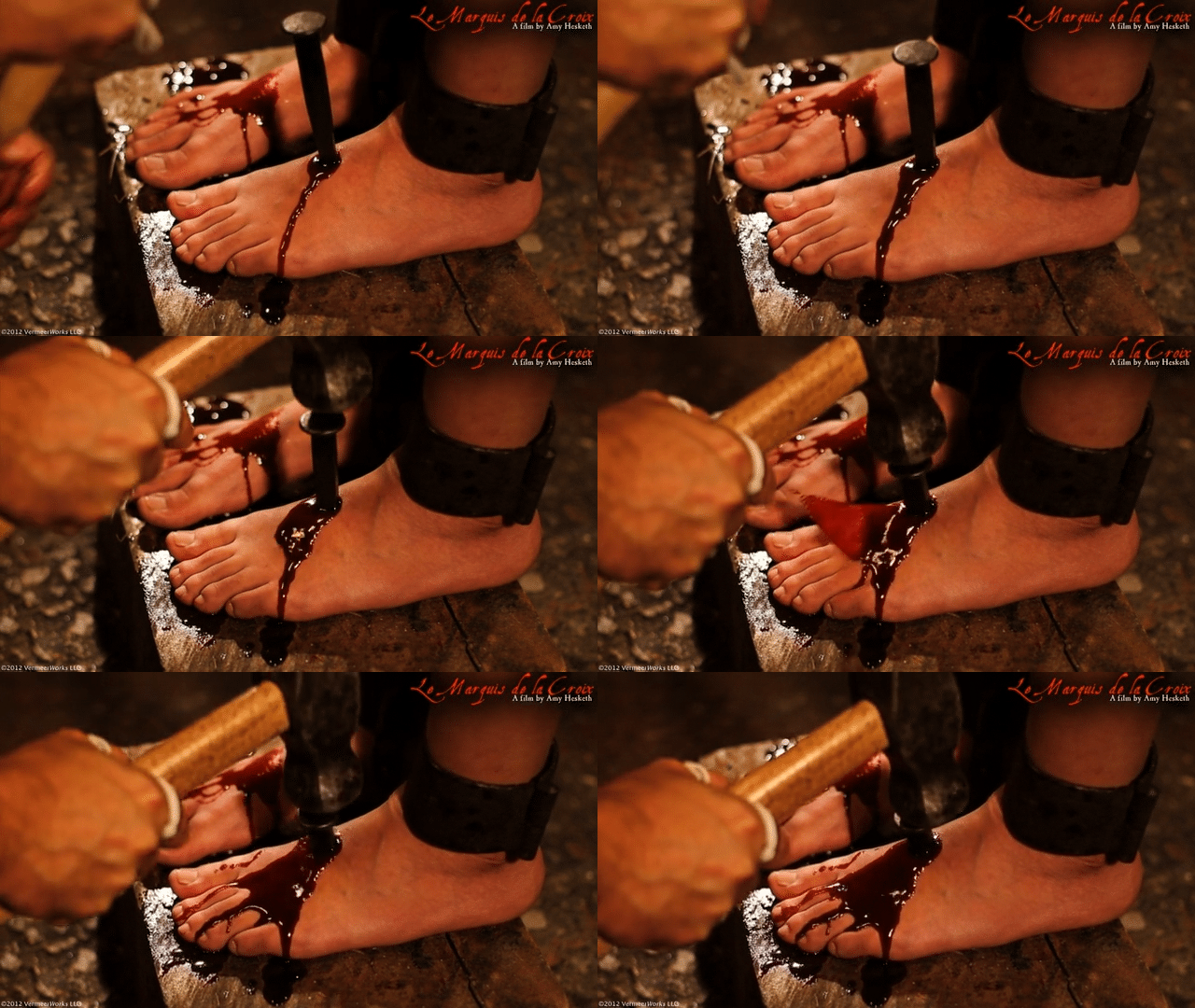
But it is not easy. Despite the advancements in AI technology and its ability to generate visually striking scenes, Jac acknowledges the challenges inherent in the process. Creating movies using AI is not straightforward, and the creative satisfaction he derives from working with real actresses cannot be replicated by artificial means.
Jac’s commitment to traditional filmmaking and the irreplaceable value of working with real actresses is set in stone.
Jac’s greatest pleasure lies in collaborating with daring, beautiful, and courageous actresses. These performers willingly take on demanding roles and endure remarkable hardships and tribulations for the sake of his films, often guided by Jac’s vision and direction. Their dedication and resilience enrich the filmmaking experience, making it an irreplaceable aspect of his creative journey.
So, AI is taking a back seat in our productions, with very limited use.
In recent projects, AI technology has played only a minor role, with its application kept to a minimum. Among Jac’s films, the most notable instance of AI integration occurs in 69 Anneé Érotique. Here, AI is primarily employed to generate brief fantasy sequences that are interspersed within scenes featuring real actors. This approach underscores Jac’s preference for authentic performances while demonstrating a cautious and targeted use of AI to enhance specific moments in the filmmaking process.
Continuing the Dialogue: AI and Authentic Filmmaking. In upcoming posts, we plan to delve deeper into the use of artificial intelligence in our films. This topic promises to spark meaningful and engaging discussions regarding its influence and potential within the realm of cinematic production.
But our dedication to real rerformances and dramatic storytelling is a priority.
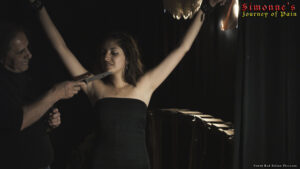
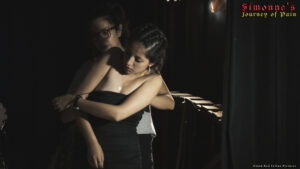
While AI remains a topic of interest, our commitment to working with talented actresses such as Dani, Ligia, Simonne, Mila, and others will persist. The filmmaking process will continue to unfold on real sets, in genuine situations that bring forth actual pain and discomfort. Above all, these collaborations will give life to profoundly dramatic stories, capturing the essence of authentic human experience and emotion.
But all of our plans and intentions have one raw element we cannot ignore or put aside. Funding. We opted to subordinate our projects to the availability of funds, which are generated by the sales of our films and the income we’re beginning to receive from our streaming channel.
We encourage you all to lend your support to our quest by buying our films
https://movies.redfeline.com
Or joining our Stream Channel
https://stream.redfeline.com