The Death of Art In The Age Of AI

The Future of Live Action Films in the Age of AI – Will AI Movies Replace Real Actors?
There is growing curiosity about whether the rise of AI-generated films will eventually lead to the end of live action movies featuring real actors. As technology advances, it is natural to question the longevity and relevance of traditional filmmaking methods.
Wondering. The Emergence of AI-Generated Films
Across various forums and media outlets, we are becoming aware of a noticeable rise in the number of movies—mostly short films—produced using AI technology. In some cases, entire projects are commissioned to production groups specializing in this new approach, resulting in a growing portfolio of AI-generated content.
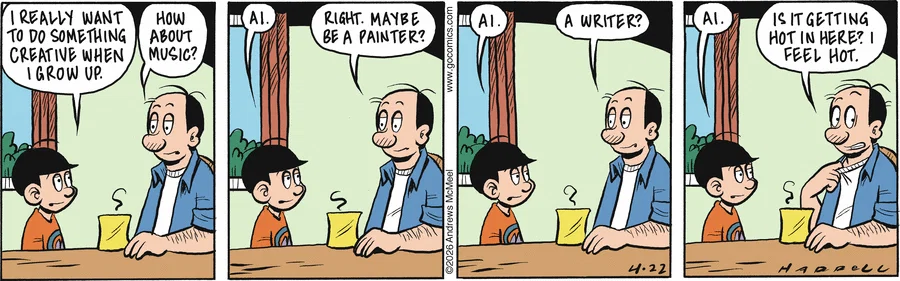
In previous posts we mentioned that creating an AI movie often requires little more than a single individual crafting a prompt. The artificial intelligence handles the rest, generating the film with minimal human intervention. After a few attempts, the final product may reach a satisfactory level—without the need for a traditional budget, actors, crew, physical sets, or locations.
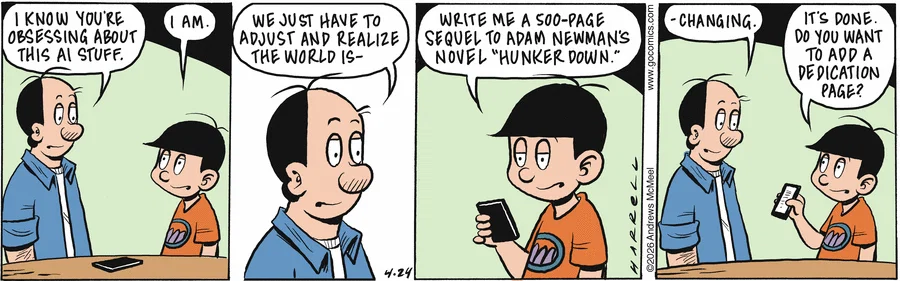
Challenges for Traditional Film Production Companies – Adapting to the Rise of AI-Generated Films
For a small film production company, like ours, with three decades of creative history and a significant body of work, it is difficult to imagine a world where films like ours can be created using AI. However, it is becoming clear that such a dismal reality is possible. And it is happening.
Financial Struggles and Uncertain Prospects
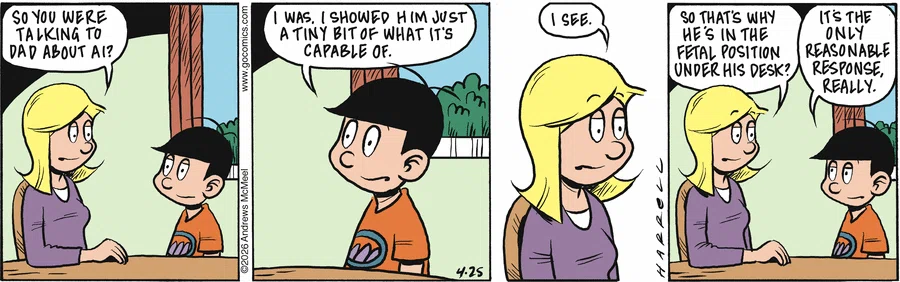
This shift is troubling for those of us who invest heavily in producing each movie. Our recent experiences have been mixed. On one hand, we have been unable to secure funding for our ambitious project, Crucified Four—requiring only $40,000 for four films. On the other hand, we have observed a decrease in our monthly sales this year, down 50%, which has caused considerable anxiety.
Despite the growing sophistication of AI technology in the film industry, the process of integrating it into movie production presents its own set of challenges.
In previous posts it was mentioned that Jac initiated experiments to create scenes for a movie using various AI-driven methods. One approach involved using a green screen paired with digitally generated backgrounds, aiming to seamlessly place actors into artificial environments. Additionally, Jac explored the possibility of using still images of actors to digitally simulate actions and movements, leveraging their likeness to create dynamic sequences.
For a moment Jac was considering combining live action with AI for Crucified Four, shooting most of the film against a green screen to later put the actors in front of AI created scenery. Some of these experiments were displayed in previous posts.
The possibility of working with AI was seductive, Jac spent a good number of hours toying with the tools he had at hand, with only prompt texts at the beginning and later using images of his actresses, like Ligia, and placing them in very short scenes, like Ligia’s character, Taia, stealing a loaf of bread.

Creating background images with specific locations and characters, like Roman Soldiers, vendors, and credible period sets was not difficult, but sometimes it could be frustrating. It became obvious that one background image could be used to create consistency in a scene. However, creating all the shots needed for one sequence was not easy.
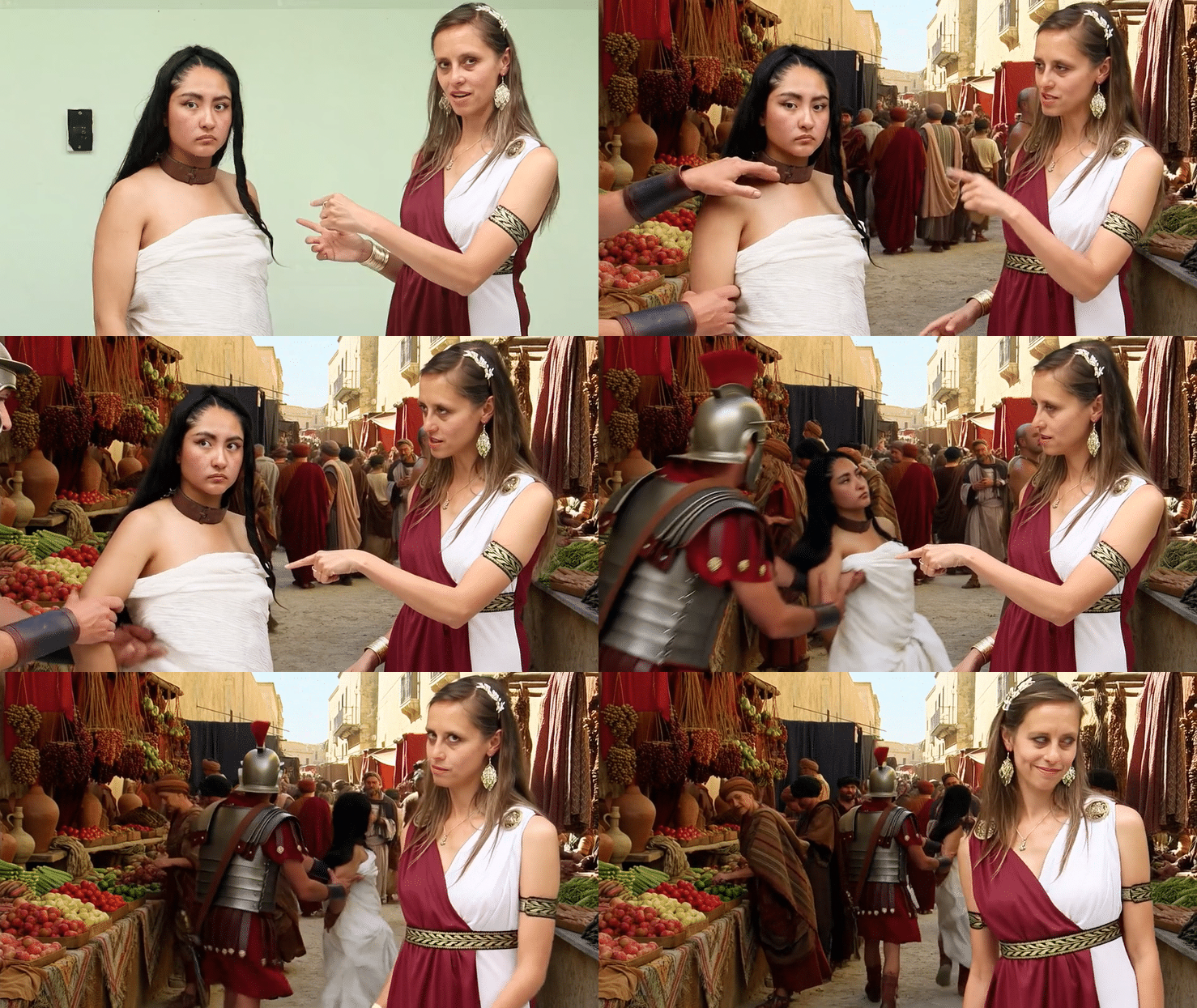
These experiments did not yield the results Jac needed to work a complete scene. The limitations of current AI technology, combined with the nuances of authentic performance, led Jac to decide against further pursuing these techniques, at least for the time being.

This highlights the ongoing balance between technological innovation and the irreplaceable qualities offered by real actors, suggesting that the adoption of AI in filmmaking remains a work in progress in Jac’s view.
We are also very much aware that although AI movies are becoming increasingly sophisticated, it is unlikely that they will completely eliminate productions featuring real actors. While AI can generate highly realistic visuals and performances, audiences often value the authenticity, emotional depth, and unique qualities brought by human actors. Instead, AI technology may be used to complement traditional filmmaking, offering new creative possibilities and enhancing production efficiency. The future of cinema will likely see a blend of both AI-driven and human-centered storytelling.
Jac is using AI in 69 Anée Érotique to create fantasy elements in one shot or scene, or to add a character that should be in a scene, but he or she is not part of the scene.
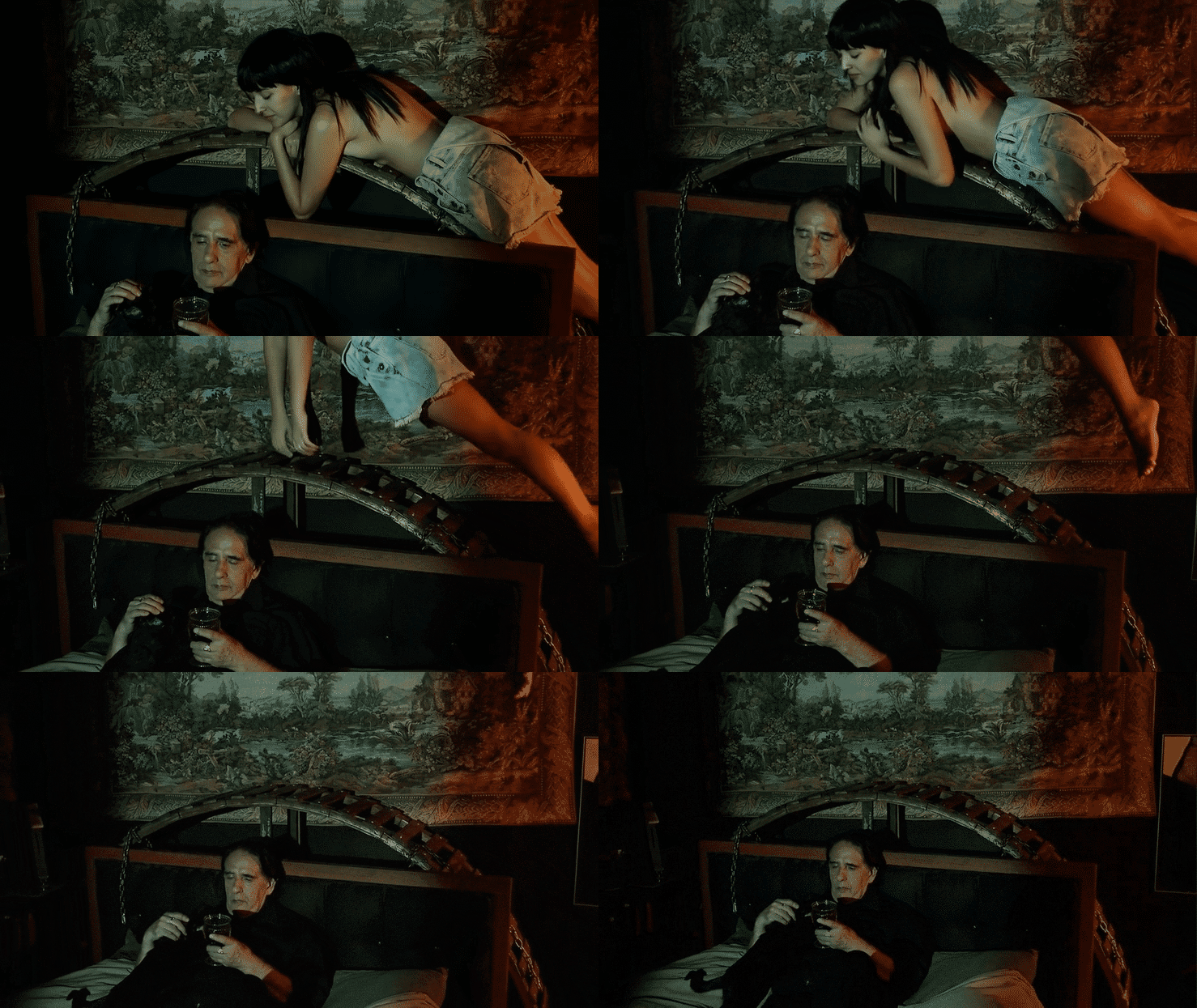
AI will not replace our cast and crew anytime soon. However, producing films is becoming harder and harder for us and for one reason. Low sales.
Although Dani, Ligia and Jac are currently working on Fiend Fatale the future is becoming less and less predictable. This dramatic issue will be elaborated further in future posts.
In the meantime we will see how things develop in the next few days or weeks. Time will tell.
You can make a difference.
Buy our movies
Join our Streaming channel