Pygmalion – Our First Release of 2026
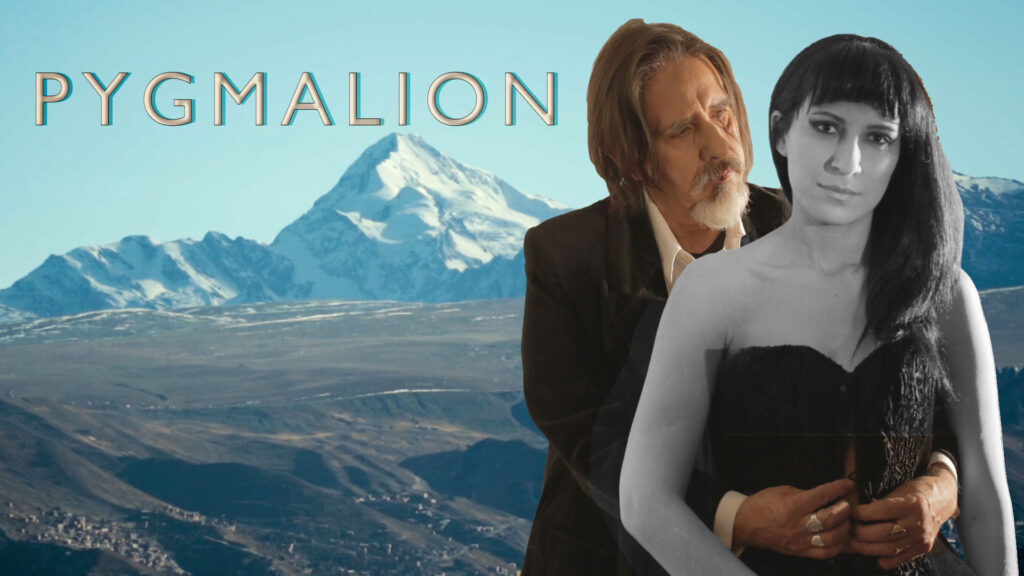
The long-awaited release of Amy Hesketh’s Pygmalion has finally arrived!
After much anticipation, audiences can now experience this remarkable work by the acclaimed director known for her films Olalla, Sirwiñakuy, Barbazul, and others.
Pygmalion, written by Jac Avila and directed by Amy Hesketh, draws its inspiration from George Bernard Shaw’s celebrated play.
Over the years, Shaw’s work has been adapted for stage, cinema, and television, with the most widely recognized version being the classic film My Fair Lady.
The narrative in this version of Pygmalion centers on Hendrix, a film director who attempts to cope with the end of his relationship to Heather, his ex-life partner and loyal collaborator, by embarking on an ambitious experiment.
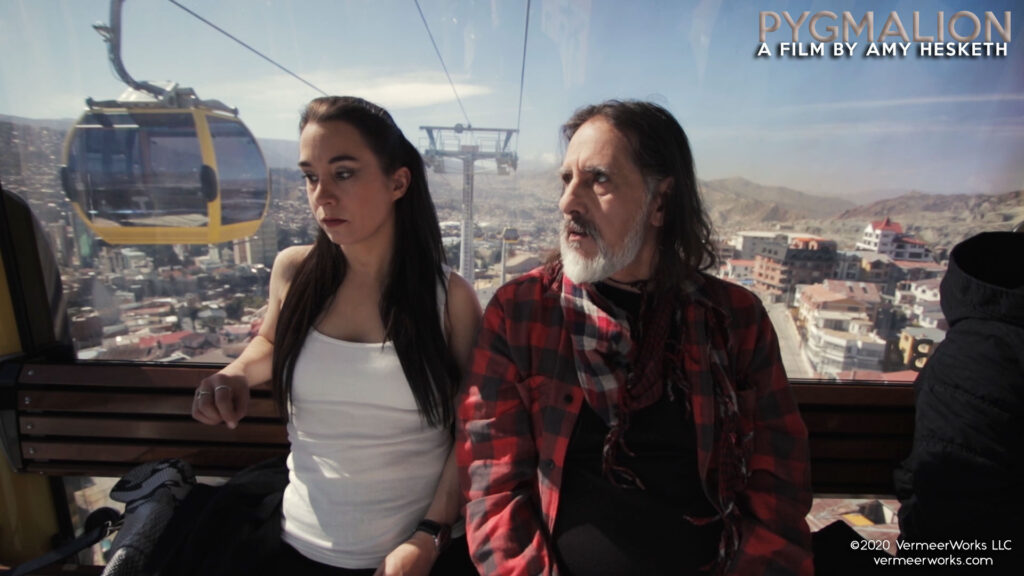
He encounters Vera, a young violinist performing at a cable car station, and decides to transform her into the ‘perfect woman‘ for his upcoming film. The goal is to prepare Vera for the role of Elisa Doolittle—a character who is vulgar, poor, tactless, and uneducated—in his very personal and erotic adaptation of the classic play Pygmalion.
Heather challenges him by wagering that he will not succeed in this endeavor.

Under the direction of Amy Hesketh, the film evolves into a layered narrative, it takes a third turn, thus becoming a movie within a movie, within another movie, blending elements of play staging, subtle docudrama, and an intimate expression of catharsis. This approach marks a departure from postmodern conventions, shifting into what Hesketh herself identifies as “meta modernism,” a style notable for its highly self-referential nature.
Filmed entirely in La Paz, the city itself assumes the role of an additional character, with the iconic and legendary cable car system prominently featured. The film serves not only as singular piece of entertainment with a denominational twist, but also as both a window into Hesketh and Avila’s creative realm, a unique calling card and a distinctive experience for global audiences looking for something a little different, innovative, unconventional and far off the beaten path.
This release marks a significant moment for both fans and followers of Hesketh’s distinctive cinematic style. Her previous films have captivated audiences with their unique storytelling and artistic approach, setting high expectations for Pygmalion. Now, viewers have the opportunity to witness the director’s latest vision come to life, continuing her legacy of innovative filmmaking.
Pygmalion was finally completed in 2018, with plans to unveil the film to audiences by 2020. Amy was prepared to return to Bolivia and attend the premiere event in La Paz, scheduled for March of that year. However, the global outbreak of Covid-19 led to widespread disruptions, forcing the premiere to be postponed again and again for an extended period.
The importance of a theatrical release remained paramount, and the delay underscored the significance of presenting the film to audiences in a cinema setting, preserving the intended experience and impact.
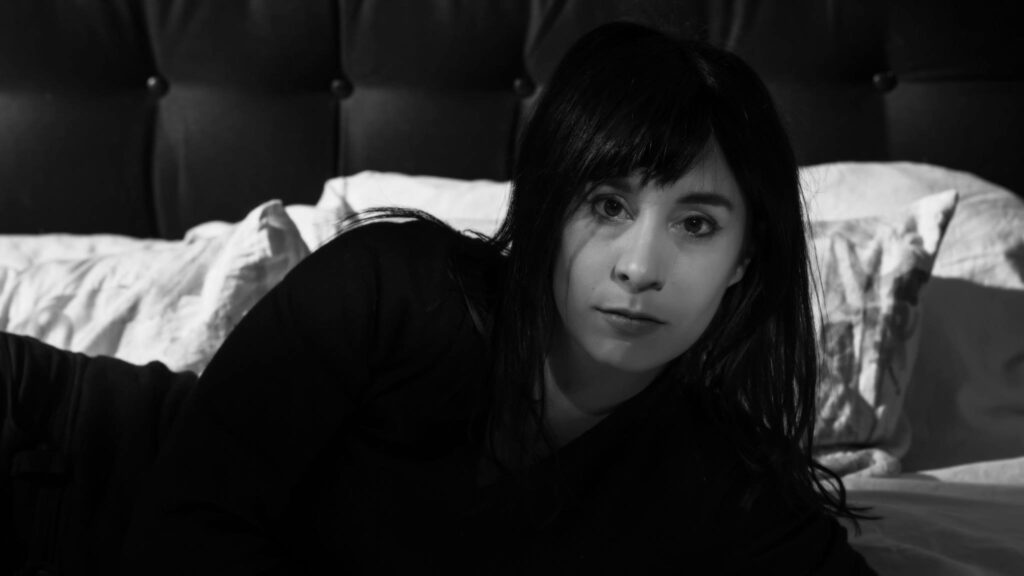
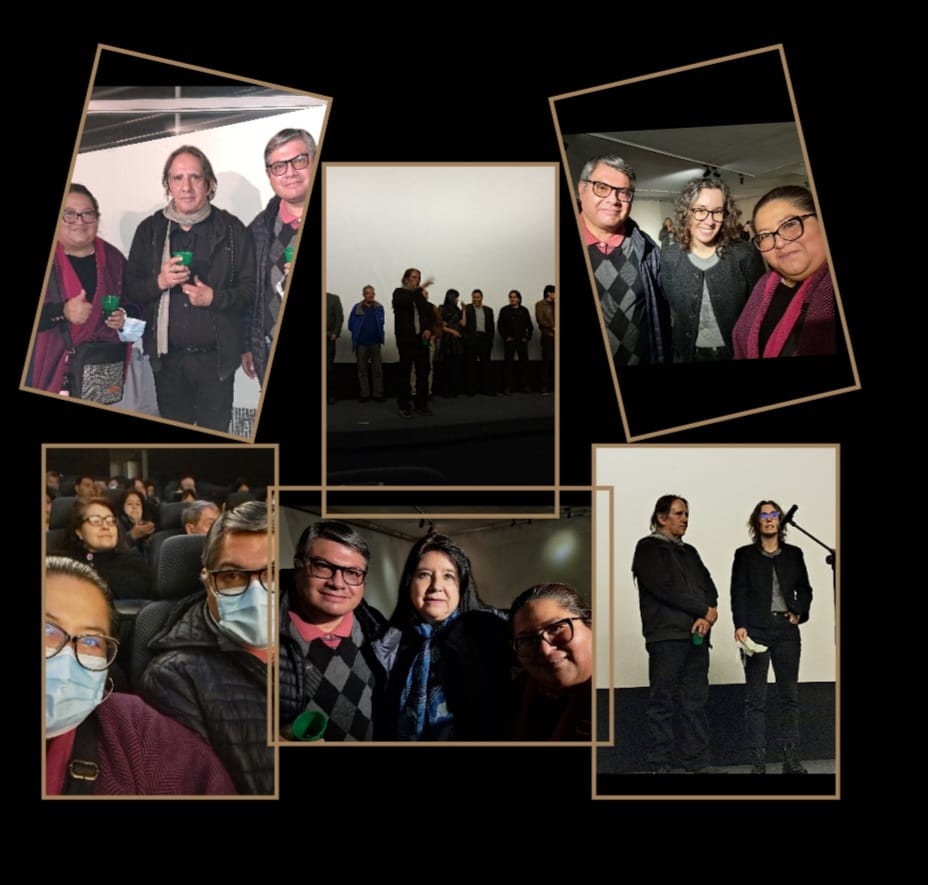
With the global Covid-19 pandemic finally subsiding and travel restrictions easing, preparations for the premiere of Amy Hesketh’s Pygmalion resumed. The event was rescheduled for March 22nd, 2022, providing a long-awaited opportunity for the film to be showcased in a theatrical setting. Amy set out for La Paz to attend the premiere. Her journey marked the culmination of years of anticipation and challenges, as she looked forward to presenting the film to audiences as originally intended.
The premiere of Amy Hesketh’s Pygmalion was met with success, drawing audiences to theaters where the film enjoyed a multi-week run. As the theatrical engagement concluded, the team was preparing for a broader global release. However, new opportunities soon emerged in the form of film festivals and further industry possibilities. Notably, Amy’s film was nominated for the internationally distinguished Premios Platino. Given these promising developments, the decision was made to pause the wide release in order to fully explore these avenues and maximize the film’s reach and recognition.
The growing notoriety of Amy Hesketh’s Pygmalion drew attention from several parties within the film industry. As interest in the film increased, discussions were initiated regarding its distribution and representation. These negotiations soon expanded beyond the film itself, encompassing other works by the director and the company. The team engaged in conversations aimed at securing opportunities that could benefit not only the current release but also other films in Hesketh’s portfolio, reflecting the broader impact and recognition her work was beginning to receive.
After careful negotiations and consideration of various options, non-exclusive agreements were finalized for the distribution of several films. This strategic approach allowed the team to pursue alternative avenues that would best serve the interests of the works involved. As a result of these arrangements, Pygmalion is now set to be released to audiences worldwide, marking a significant milestone in the film’s journey and ensuring its accessibility to a broader audience.
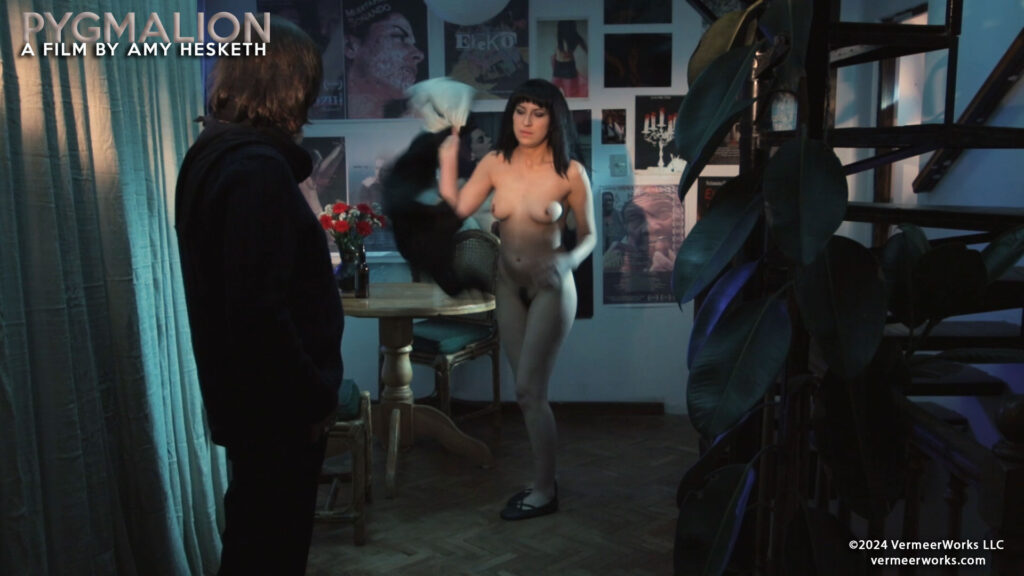
To paraphrase Henry Higgins, cinema is the dance of the eyes, but also of the ears. The production is a tribute to the city of La Paz from the very first tango heard, a twilight lullaby: Tango Illimani, which lends the city an atmosphere of yesteryear. An anachronistic Andean city whose god is the eternal snow-capped mountain. The tango that the viewer will enjoy is Luis Rico’s interpretation. And the composition by Néstor Portocarrero, which from then on will only be heard instrumentally. The same is true for the other compositions: Adiós Nonino, Flores, etc. The film can be enjoyed both with the sense of hearing, with eyes closed, and with eyes alone, since Mila Joya’s performance is unsurpassed. She commands the screen. If it were a silent film with only subtitles and background piano music, the connection with the viewer would not be diminished in the slightest. A few pouts, Mila and Jack’s glances, and some gestures complete the histrionic paraphernalia of the parody. A true dance of the eyes and humor. No clowning around. They barely laugh in the film. Henry (Jack) remains like a porcelain cat or a hermit monk. But they do allow him to laugh in the documentary interspersed with interviews.
Part of review by Carlos Gutierrez Andrade, published in a newspaper:
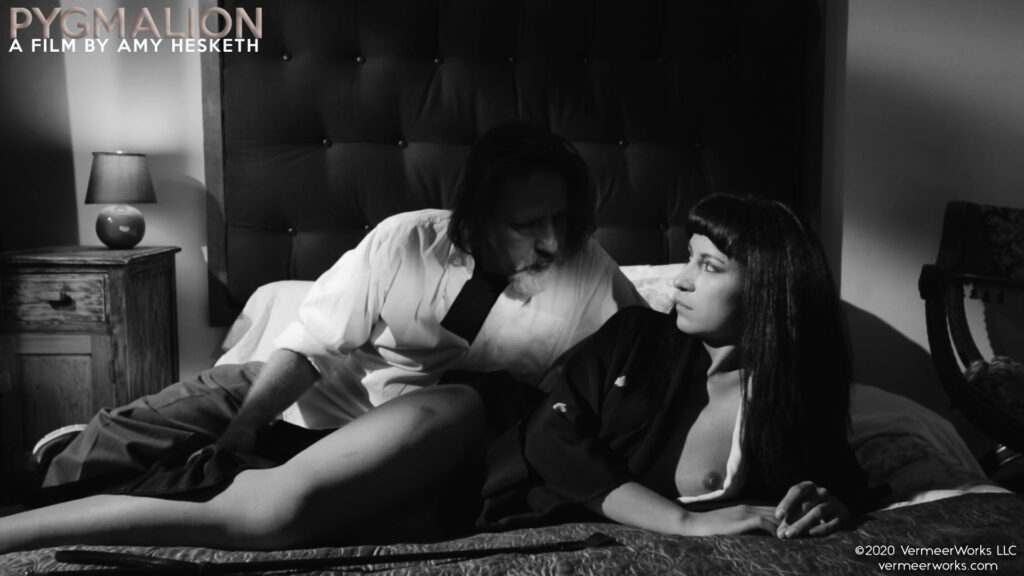
You could almost say the film is a sequel to Sirwiñakuy. It is, in turn, the last tango in Paris. A déjà vu where a farewell is eternally repeated. In fact, in one of the last scenes, after she has already won the bet, Eliza, Vera, Mila, or the conceited cockroach, or whatever she is, is standing in front of the Sirwiñakuy poster.
And that is the moral: to what extent are we willing to love someone, accepting them with their virtues and flaws? To accept heaven upon meeting them, purgatory and hell upon discovering their flaws, but willing to burn in those embers? Or to be the eternal Casanova searching for his eternal Galatea, the perfect one, the young one, the perfectible one? But I invite you to see the film, where the seriousness of the characters will elicit uproarious laughter that will have you rolling with laughter. Don’t miss this spark of divine fire that is Amy’s cinema, exquisite and not suitable for the uninitiated.
Part of review by Carlos Gutierrez Andrade, published in a newspaper:
Get Pygmalion at:
Pygmalion marks our first release of the year. This film sets the stage for a series of upcoming projects, with many more releases planned to follow throughout the year.
Below a post from the past, Pygmalion: Tales of A Premiere.